

The selling process
Your guide to selling a home in Ottawa.
Selling a home involves more than putting a sign on the lawn. This guide will help you understand the decisions, preparation, people and practical steps involved, so you know what to expect from the first conversation through closing day.
The process at a glance
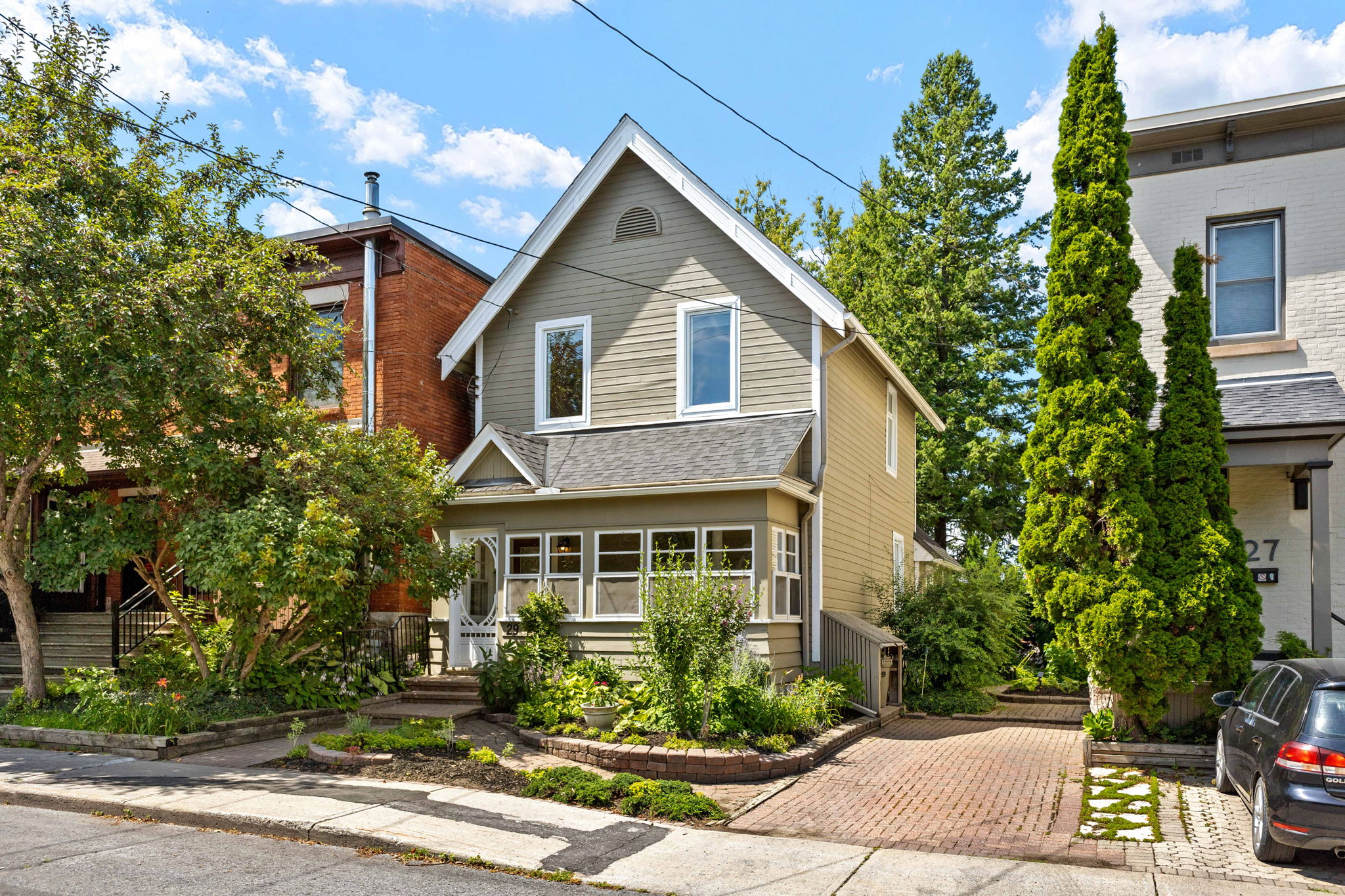
Chapter one
Decide
Before you decide to sell
Start with what the move needs to make possible.
Selling often begins well before a sign goes up. You may be thinking about timing, wondering what the property could sell for or trying to understand whether moving makes sense at all.
That is a good time to talk.
We can look at the property, the local market and what you would need from the sale. I’ll give you an honest view of what I’m seeing, explain the options and help you identify the questions that still need answers. There is no expectation that you list before you are ready.
What should we talk about before you decide to sell?
Why you are considering a sale
Your preferred timing
Whether you need to buy another property
Your mortgage payout and possible penalties, including whether to request a written estimate from your lender
The costs involved in selling
What the property may need before listing
Which improvements may be worth considering
Whether a pre-listing inspection could be useful
Your priorities for price, timing and terms
Anything about the move that has you concerned
You do not need to arrive with a complete plan. The first conversation is simply a chance to understand where things stand and what might make sense from there.
It is also helpful to identify a real estate lawyer early. Legal advice may be needed before an offer arrives when a property is tenanted, part of an estate, jointly owned or affected by title, family-law or other legal considerations.
Understanding representation
What is a listing agreement in Ontario?
A listing agreement explains the relationship between a seller and a real estate brokerage, including the services to be provided, the agreement’s duration, how the property will be marketed and how the brokerage will be paid.
Before receiving services from a brokerage, you should understand what representation means, what I will be responsible for and what you are agreeing to in return. The RECO Information Guide explains the choices available to you and the duties owed when you become a represented client.
What will we review before you sign?
The services included
The listing price
The length of the agreement
When the property will come to market
How showings, open houses and offers will be handled
The marketing plan
The remuneration payable to the brokerage
Whether any remuneration may be offered to another brokerage
Items that will be included or excluded from the sale
The holdover period
What happens if another client of the brokerage becomes interested in the property
Any other terms or questions that need to be discussed
I’ll explain the documents in plain language and give you time to read them before signing. If you need legal advice about an agreement or your obligations, that advice should come from a lawyer.
The point is not simply to complete the paperwork. It is to make sure you understand the relationship, the plan and what you can expect from me before we move forward.
Learning the property
The details you know are part of the picture.
No one knows your home quite the way you do. The improvements you have made, the details you have appreciated and the questions buyers are likely to ask all help us decide how to present it clearly and honestly.
We’ll walk through the property together and talk about what makes it distinct, what has changed over time and what a buyer may want to understand more fully.
What documents and information help prepare a listing?
Property-tax information
Utility costs
A survey, floor plans or previous appraisal
Permits, plans and receipts for renovations
Warranties and service records
Ages of major systems and improvements
Rental or service contracts
Information about insurance claims
Well, septic, WETT or water-testing records
Condominium documents, where applicable
Details about known defects or repairs
A list of items you plan to include or exclude
You may not have every document, and that is okay. Gathering what is available early gives us time to identify gaps and decide whether anything needs to be investigated before listing.
The local market
Understand the Ottawa market around your home.
Ottawa is not one single market. A home in the Glebe may face different competition and buyer expectations than a similar property in Westboro, Barrhaven or a nearby rural community. Even within the same neighbourhood, recent sales can vary depending on location, condition, layout and timing.
We’ll look at the most relevant comparable sales, current listings and buyer activity to understand how your home fits into the market around it.
What information helps determine your home’s market position?
Recent comparable sales
Current competing listings
Listings that expired or did not sell
Time on market
Sale-to-list-price relationships
Current inventory and buyer activity
Differences in condition, lot, location and property type
Changes since the most relevant properties were listed or sold
No comparable property is exactly the same. The goal is to understand the available evidence, where your property differs and what those differences could mean.
Pricing and timing
How is a home’s listing price determined?
A listing price should reflect the home itself, recent comparable sales, current competition, local buyer activity and your timing and priorities. The right approach depends on the circumstances rather than one fixed pricing formula.
The listing price shapes how buyers find, compare and respond to the property. A price that is not supported by the market can narrow the audience, weaken early interest and make later adjustments more difficult.
The right strategy is not automatically the highest suggested price or the lowest price designed to attract attention. It should reflect the property, current competition, buyer behaviour, your timing and the result you need from the sale.
What goes into the pricing conversation?
The most relevant market evidence
How buyers are searching in the price range
Whether comparable properties are selling above, at or below their asking prices
Current competition and upcoming listings where known
Your preferred timing
The risks and trade-offs of different pricing approaches
How and when the strategy may need to be reviewed
A property generally receives its strongest attention when it is new to the market. That makes preparation, pricing and timing especially important before the listing goes live.
I’ll recommend an approach and explain why I believe it makes sense. The final listing price remains your decision.
What you take with you
Understand what you may take with you.
The sale price is only one part of the financial picture. Your mortgage balance, potential prepayment penalties, real estate fees, legal costs and closing adjustments may all affect the amount you receive after closing.
Your lender or mortgage professional can confirm the payout figure and explain any penalties that may apply. Your lawyer prepares the final statement of adjustments closer to closing. Knowing roughly where you stand early makes the decisions ahead a good deal easier.
Tax questions, including how a sale may be treated for an investment property, an estate or a property with more complex ownership, should go to your accountant or tax professional.
Understand your selling costsYour selling team
Know who is involved in your sale.
Selling involves more than one person, and you should never be left wondering who is responsible for what.
Me, your Sales Representative, guiding the real estate side and coordinating the details
You, sharing what you know about the home and making every final decision
Your lawyer, for the legal side of the sale and the transfer of ownership
Your lender or mortgage professional, for the mortgage payout and any penalties that apply
Other professionals, for advice within their own expertise

Chapter two
Prepare
Preparing the property
Decide what is worth doing before you list.
Preparing your home should not mean changing everything or taking on work that does not make sense. The goal is to remove distractions, address practical concerns and help buyers understand what the home has to offer.
I’ll help you decide what is worth doing, what can stay as it is and where a little attention could make a meaningful difference.
What might preparation involve?
Repairs and routine maintenance
Painting or touch-ups
Decluttering and organizing
Cleaning
Editing furniture and personal items
Improving lighting
Seasonal yard or exterior work
Staging where it would be useful
Gathering permits, warranties and service records
Bringing in a painter, contractor, stager or other professional
The recommendations should fit the property, the market, your budget and the time available. I will not suggest work simply to make the preparation list longer.
Related resource
A room by room starting point for the preparation decisions in this chapter.
Home Prep and Staging ChecklistPre-listing inspections and disclosures
Should I get a home inspection before selling?
A pre-listing inspection can help identify questions before the home comes to market, but it is not necessary for every sale. Whether it makes sense depends on the property, the likely buyer concerns, the cost and the timing.
It tends to be most useful for an older home, a rural property, a home with a feature buyers are likely to question, or a sale where you would rather put the information on the table from the beginning.
Depending on the property, this could involve:
A general home inspection
Well and water testing
Septic inspection or pumping
WETT inspection
Electrical, structural or other specialist review
One thing it does not do is prevent a buyer from arranging their own inspection, or oblige them to rely on yours. We’ll weigh the cost, the timing and the likely value before deciding.
What do sellers need to disclose when selling a home in Ontario?
Be open about what you know, and raise anything you are unsure about early, so the right real estate and legal professionals can advise on how it should be handled. What must be disclosed depends on the circumstances, which is why an uncertain detail is far better raised before the home comes to market than after.
Being open about known issues matters. I may ask you to complete a property-information form so I can better understand the home’s history and identify anything that may require disclosure or legal advice.
The purpose and intended use of any property-information statement should be clear before it is completed or shared. Questions about your legal disclosure obligations should be directed to a lawyer.
Telling the property’s story
Buyers should understand more than the number of rooms.
The details you appreciated every day may be the same ones that help a buyer connect with the property. My job is to bring those details forward honestly and thoughtfully.
The story may be found in the way the property lives, the care that has gone into it, the setting, the neighbourhood or the possibilities it gives the next owner. Those details should work alongside the practical information buyers need, not take its place.
How does all of this shape the listing?
The listing description
Photography priorities
Floor-plan and video decisions
Feature sheets or brochures
Social and digital content
Showing information
Conversations with interested representatives and buyers
Good presentation does not exaggerate. It makes the important details easier to see.
Presenting the property
Every detail should work together.
Once the preparation is complete, the photography, floor plans, listing copy and other materials should feel like parts of the same story.
What might presentation include?
Professional photography
Floor plans
Video or other digital media
Property-specific listing copy
Feature sheets or brochures
Sign installation
Lockbox installation
Digital and social assets
Additional materials suited to the property
The goal is not to use every available format for the sake of it. It is to choose the ones that help buyers understand the property and see it at its best.
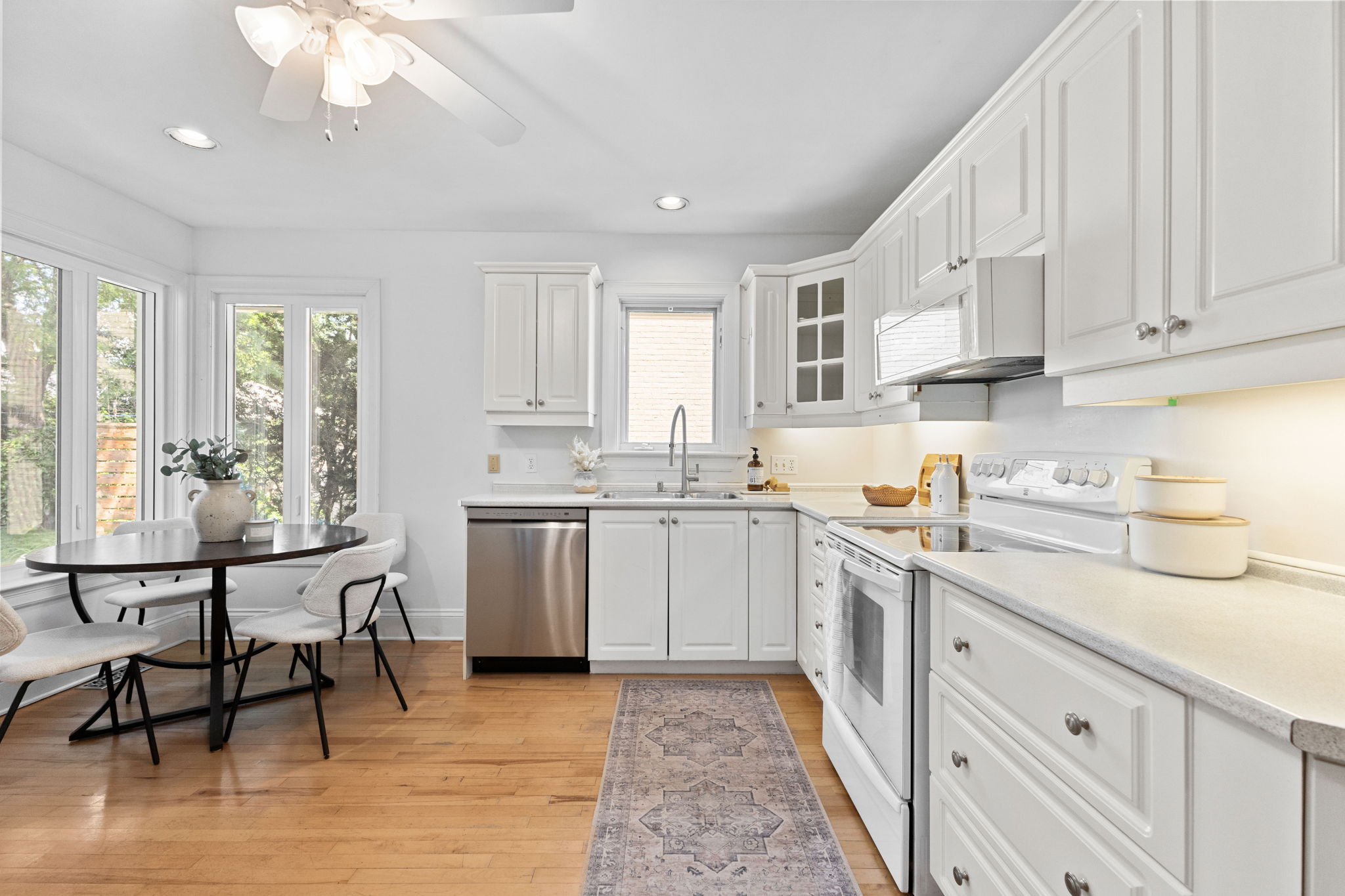
Chapter three
Launch
Marketing the listing
How will my Ottawa home be marketed?
A home’s marketing plan should reflect the property, its likely buyers and the local market. Depending on the agreed strategy, it may include listing platforms, professional photography, written marketing materials, brokerage exposure, social media, print materials or open houses.
What might the marketing plan include?
Exposure through the local MLS® system and public real estate websites
Engel & Völkers real estate platforms
Brokerage and advisor networks
Social media and digital promotion
Print materials and direct outreach
Brokerage-shop exposure, where appropriate
Open houses
Targeted promotion based on the property and likely audience
Through Engel & Völkers Ottawa, the listing is also supported by an established brand and a connected network of advisors. When broader exposure is useful, those connections can help the property reach beyond the immediate local market.
No single channel sells every property. The strength comes from using the right information consistently across the places buyers are actually looking.
Bringing the listing to market
The first impression starts before the first showing.
Before the listing goes live, I’ll confirm that the property information, showing instructions, offer directions and marketing materials are ready.
What gets confirmed before the listing goes live?
Confirming the listing details
Reviewing inclusions, exclusions and rental equipment
Establishing showing availability
Installing the sign and lockbox
Preparing the property for photography and launch
Confirming open-house plans
Setting offer instructions where appropriate
Making required disclosures available
Coordinating access with occupants, tenants or other people involved
Once the listing is live, I’ll monitor activity and remain available to answer questions from interested representatives.
What changes if the property is tenanted?
The listing and showing plan must account for the tenancy, required notice, lawful access and any promises being made about vacant possession. Those details should be reviewed before the property is listed, with legal advice where needed. The circumstances of each tenancy are different, so this guide does not replace advice about Ontario’s residential-tenancy rules.
Showings, open houses and access
What should I expect during showings?
Showings give buyers an opportunity to experience the home in person. We’ll agree on the notice, scheduling and access arrangements that make sense for you, and I’ll help coordinate requests and pass on any useful feedback.
Showing availability can affect how many buyers are able to view the property, but the schedule still needs to be manageable for you and anyone living there.
We’ll agree on a showing process, notice requirements and any times that need to remain unavailable. I’ll coordinate requests and keep you informed of confirmed appointments.
What helps before a showing?
Give the property a quick tidy
Open blinds or curtains where appropriate
Turn on lights if needed
Put away medications, financial papers and valuables
Secure pets or arrange for them to be elsewhere
Leave enough time for the buyers to view the property privately
Follow any property-specific preparation plan we establish
A lockbox allows authorized access according to the showing instructions. We’ll discuss where it will be installed, who may use it and any concerns you have before it is placed on the property.
Open houses can give buyers another way to experience the property, but they are not required for every listing. If one makes sense, we’ll discuss the timing, preparation, security and what should be put away beforehand.
Feedback and market response
Understand how the market is responding.
I’ll follow up after showings where possible and share the useful feedback that comes back. Buyer comments can provide context, but they are only one part of the picture.
What else am I watching?
Showing activity
Repeat visits
Questions from buyers and their representatives
Online listing and marketing activity where available
New competing listings
Price changes and sales in the area
The quality and consistency of buyer feedback
Whether offers are being prepared or submitted
We’ll use that information to understand how the market is responding. If the response is different from what we expected, I’ll explain what I’m seeing and talk through whether the preparation, presentation, access, price or marketing plan should be adjusted.
You will not be left wondering what is happening or what I think it means.

Chapter four
Respond
Reviewing an offer
What should I look for in an offer on my home?
An offer should be assessed as a whole, including the purchase price, deposit, conditions, closing date and any other obligations or risks. The highest number is not always the whole story, and the strongest price is not automatically the strongest overall offer.
When an offer arrives, I’ll confirm the deadline, review the documents and walk you through each part before you decide how to respond.
We’ll look at:
Purchase price
The amount offered and what the seller is expected to receive after applicable costs and adjustments
Deposit
The amount, timing and method of delivery
Conditions
Financing, inspection, sale-of-property or other conditions, including their deadlines
Closing date
Whether the proposed timing works for you and any related purchase or move
Inclusions and exclusions
What the buyer expects to remain and what you intend to remove
Rental equipment
Any contracts or obligations the buyer is being asked to assume
Repairs, warranties and documents
Anything the buyer is asking you to complete, confirm or provide
Pre-closing visits
The number, purpose and timing of the buyer’s proposed visits
Additional terms
Any unusual clauses, risks or obligations that may require legal advice
Overall strength
How the price, deposit, conditions, timing and other terms work together
Depending on the offer and your instructions, you may decide to:
Accept it
Reject it
Make a counteroffer
Allow it to expire
Every offer includes a period during which it remains open for acceptance. We’ll review that deadline and decide how you want to respond before the opportunity expires.
I’ll explain the options, provide my perspective and negotiate according to your instructions. The decision remains yours.
Competing offers
What happens if more than one buyer makes an offer?
When several offers are submitted, you can weigh the options against more than the purchase price. Deposits, conditions, timing and other terms may all affect which offer fits your priorities best. More than one offer brings more choices, not fewer decisions.
When more than one written offer has been submitted, the number of competing offers must be communicated to the people who made them.
As the seller, you decide how you want to respond. You may accept one offer, reject all offers, make a counteroffer or invite some or all buyers to improve their terms.
You may also provide written direction to share all or selected parts of the competing offers. If you choose to do that, the information must be shared according to Ontario’s rules and personal or identifying information cannot be disclosed.
We’ll compare each offer carefully, including price, deposit, conditions, closing date and other terms. I’ll explain the trade-offs and follow your lawful instructions throughout the process.
The goal is not simply to choose the largest number on the first page. It is to understand what each offer asks of you and how likely it is to reach closing on the terms you accept.
After an offer is accepted
Is an accepted offer the same as a firm sale?
Not always. If the agreement contains conditions, the buyer has until the deadlines in the agreement to complete their financing, inspections or other agreed requirements before the sale becomes firm.
During this period, you may need to provide access, documents or information required by the agreement. The buyer may also request an amendment after learning something new. You are not automatically required to agree to a requested change.
Depending on the terms of the agreement, the buyer may:
Fulfil or waive the conditions and proceed
Request an amendment
End the agreement in accordance with a condition
What if the buyer asks for something after an inspection?
Sometimes a condition turns up something the buyer wants addressed. You can agree, you can decline, or you can offer something in between. A response does not have to be about price. A repair before closing, a credit on the statement of adjustments or a change to the closing date may all be reasonable answers, depending on what has come up.
If you decline, what happens next depends on how the condition is written and on what the buyer decides. They may go ahead anyway, or they may end the agreement in accordance with that condition. I’ll walk you through how your agreement reads before you respond, and your lawyer can advise on anything that turns on the wording.
Plenty of conditional periods pass without anyone asking for anything. This is worth understanding before you are in it, not worrying about.
What does my listing show while conditions are outstanding?
While conditions are still outstanding, the listing status is usually updated to show that a conditional agreement is in place rather than a completed sale. Whether showings continue during that period is your decision, and we’ll agree on it when the offer is accepted. A back-up offer is possible in some circumstances, and if one comes along I’ll explain what it would and would not commit you to.
Can I use the buyer’s deposit before closing?
The buyer’s deposit is normally held in trust according to the agreement. It is credited toward the purchase price on closing and is not money you can use while waiting for the transaction to close.
If the agreement ends because a condition is not satisfied, the deposit does not come back on its own. A deposit held in trust is released only when the buyer and the seller agree in writing, or when a court orders it. That written agreement is usually straightforward, but where there is a disagreement it can take time, and your lawyer will advise on how to handle it.
I’ll track the real estate deadlines, coordinate access and keep you informed as each condition is addressed. Legal questions about the agreement or a proposed amendment should be reviewed by your lawyer.
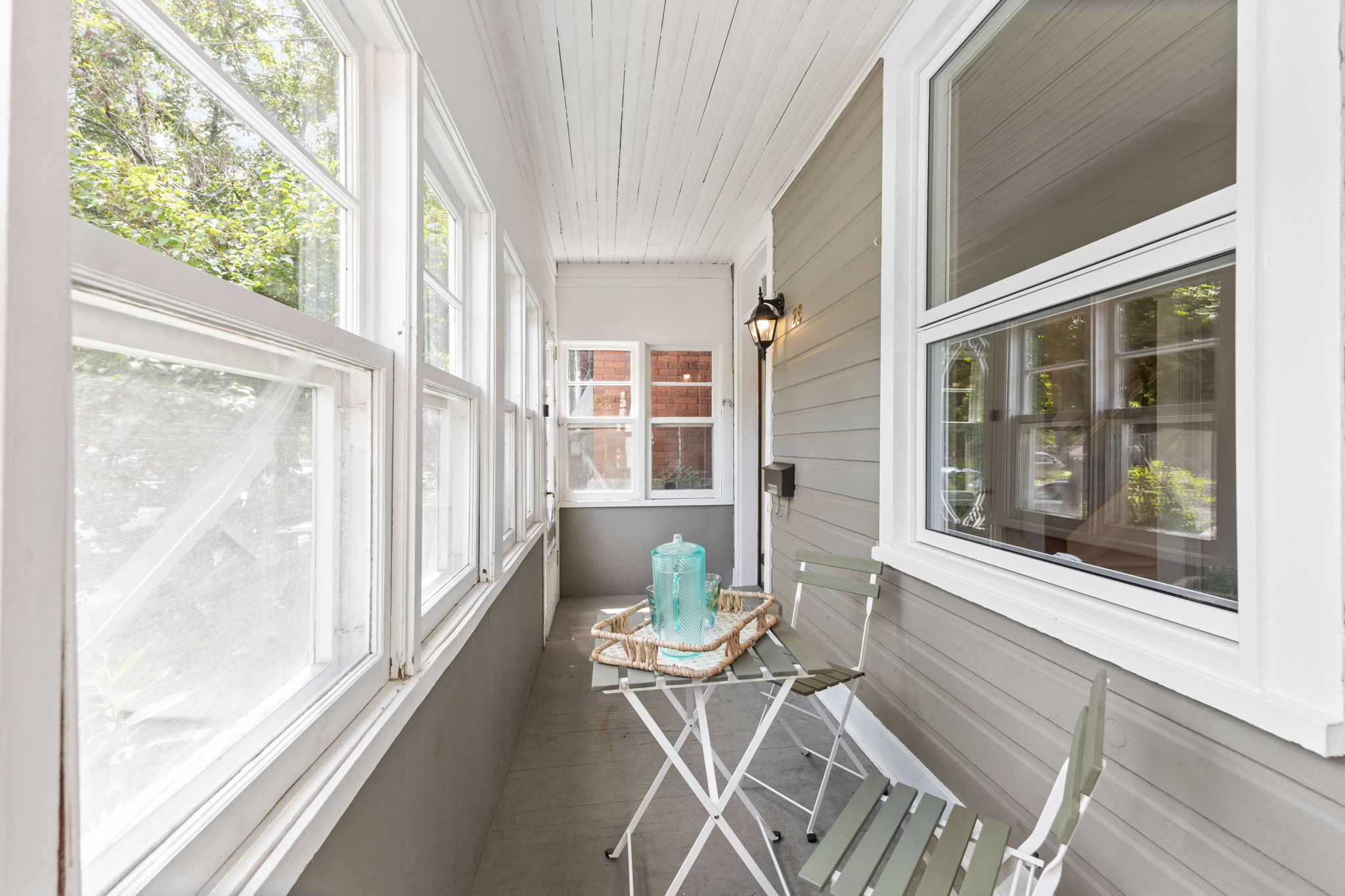
Chapter five
Close
When the sale becomes firm
The focus shifts from finding the buyer to getting ready for closing.
Once every condition has been fulfilled or waived, the agreement becomes firm and both parties are legally committed to completing the transaction.
This is usually when your lawyer becomes more actively involved, although legal advice may be needed earlier if the property is part of an estate, there are title concerns, the agreement includes unusual terms or another issue requires attention.
What do you need to do after your sale becomes firm?
Send the agreement and requested documents to your lawyer
Provide mortgage and secured-line-of-credit information
Confirm your mortgage payout and possible penalty
Complete agreed repairs or provide required documents
Maintain the property in the condition required by the agreement
Allow the buyer’s agreed pre-closing visits
Arrange movers, storage and utilities
Gather keys, remotes, manuals and warranties
Review closing documents with your lawyer
Confirm how the sale proceeds will be delivered
I’ll remain involved through the buyer visits, agreed work, moving details and closing-day coordination.
Pre-closing visits
The buyer has another opportunity to see the property.
The agreement may allow the buyer one or more visits before closing. These visits are commonly used to take measurements, plan the move and confirm that the property remains in the condition required by the agreement. They are not generally a new inspection or an automatic opportunity to renegotiate the agreement. Any concern should be addressed according to the terms of the agreement and with legal advice where needed.
Before a visit:
Complete any repairs or work required by the agreement
Keep included fixtures, appliances and other items in place
Maintain the property in substantially the same condition
Make the property reasonably accessible
Let me know about any problem that has arisen since the agreement was signed
I’ll coordinate the visits according to the agreement and help address any concerns raised before closing.
Preparing for closing
A little organization makes the final stretch easier.
Your lawyer will prepare the legal documents, obtain mortgage payout information, calculate adjustments and arrange for the transfer of ownership.
What might your lawyer need from you?
Identification
Mortgage and secured-debt details
Property-tax information
Condominium information
Marital-status information
Existing title documents or survey
Keys or closing instructions
Banking information for the net sale proceeds
Additional documents specific to the property or your circumstances
Your sale proceeds are not simply the sale price. The lawyer will account for the mortgage payout, mortgage penalties, real estate fees, legal costs, adjustments and any other amounts that must be paid from the transaction.
Related resource
Work through the numbers for your own sale, including the amounts worth confirming with your lender and lawyer.
Closing Cost GuideClosing day
What happens on closing day when I sell my home?
On closing day, the buyer’s lawyer transfers the required funds to your lawyer. Your lawyer completes the legal work, pays the amounts that must be discharged and authorizes the release of the keys once the transaction has closed.
Closing can happen at any point during the business day. Keep your phone nearby in case your lawyer or I need anything, and avoid promising the buyer access before closing has been confirmed.
Once the transaction is complete, your lawyer will arrange the delivery of the net sale proceeds according to your instructions and provide a final report afterward.
After the sale
Support does not end when the sale closes.
Closing day may complete the transaction, but it is not the end of the relationship. If a question comes up, you need a recommendation or you simply want to talk something through after your move, I’ll always be here.
Who is responsible for what?
You
Provide complete and accurate information about the property
Review documents before signing
Ask questions when something is unclear
Make the final decisions
Complete the obligations you accept in the agreement
Keep the property in the required condition through closing
Provide documents and information requested by your lawyer
Me
Learn the property and your priorities
Review the local market and recommend a strategy
Help decide what preparation may be worthwhile
Coordinate the listing materials and marketing plan
Arrange showing access, open houses, signs and lockboxes
Communicate activity and feedback
Review and explain offers
Negotiate according to your instructions
Track real estate deadlines and agreed obligations
Stay involved through closing and afterward
Your lawyer
Provide legal advice
Review unusual terms or disclosure questions when needed
Prepare the legal sale documents
Obtain and pay mortgage or secured-debt payouts
Calculate closing adjustments
Complete the legal transfer
Receive and distribute the sale funds
Report to you after closing
Your lender or mortgage professional
Confirm the mortgage payout
Explain prepayment penalties and discharge fees
Review mortgage portability or financing for another purchase
Provide the information required by your lawyer
Other professionals
Inspectors, stagers, contractors, photographers, movers, accountants and other professionals remain responsible for the work and advice within the scope of what they have been retained to do.
Official resources
Related Kindred Home resources
Getting ready to list?
Practical guidance for deciding what to repair, edit, clean and prepare before the property comes to market.
Home Prep and Staging ChecklistWondering what you will take with you?
An overview of the costs that may affect your net proceeds and the amounts worth confirming early.
Closing Cost GuideWant to know what working together looks like?
Learn more about my approach to preparing, presenting and selling your home, and what the experience is like from the first conversation onwards.
Explore the selling experienceStart with a conversation
Let’s talk it through.
If reading through this raised questions, that is a good reason to get in touch. There is no expectation attached to a first conversation, and if we meet in person, I’ll bring the cookies.
Important information
This guide provides a general overview of the residential selling process in Ontario. It is not legal, mortgage, financial, accounting, tax, insurance or inspection advice.
Every property, agreement and sale is different. Advice within a regulated or specialized area should come from the qualified professional responsible for that part of the transaction.