

Home prep and staging checklist
A thoughtful plan for getting ready to sell.
Preparing to sell does not mean changing everything. It means deciding what deserves attention, taking care of the details buyers may notice and helping the property feel its best without losing what makes it yours.
At a glance
Chapter one
Make the plan
Before you begin
Not everything on this list will belong on yours.
Every property starts from a different place. Some may benefit from repairs, painting or professional staging. Others may only need a thoughtful edit, a thorough clean and a few details taken care of before photography.
I’ll walk through the property with you and help sort the possibilities into three groups:
1. Worth doing
Items that could improve how the property shows, address a likely buyer concern or support the way we plan to bring it to market.
2. Nice if time and budget allow
Details that may help, but should not hold up the plan or create unnecessary expense.
3. Leave it alone
Work that is unlikely to change how buyers respond enough to justify the cost, time or disruption.
The goal is not to complete every item in the printable checklist. It is to make good decisions about this property, in this market, with your timing and budget in mind.
Your preparation plan
Start with the plan before starting the projects.
Before buying paint or booking a contractor, we’ll look at the full picture and decide what should happen, in what order and who should take care of it.
Before beginning any major work, let’s make sure it makes sense for the property and reflects what buyers in the local market are likely to value.
Property information
Gather the details buyers may ask about.
Preparation is not only about how the property looks. Clear, organized information can help buyers understand how it has been cared for and may prevent avoidable questions or delays later.
You may not have every document, and that is okay. Gathering what you do have gives us time to identify missing information and decide whether anything should be investigated before listing.
Chapter two
Take care of the essentials
Repairs and maintenance
Take care of the details that could become distractions.
Buyers often notice small signs of unfinished maintenance because they are trying to understand how the rest of the property has been cared for. That does not mean everything needs to be new. It means taking a thoughtful look at the items that are visible, not working properly or likely to raise questions.
If an item could involve structure, electrical work, plumbing, moisture, mould, asbestos, a permit or another specialized issue, it should be assessed by the appropriate professional rather than covered up or treated as a cosmetic repair.
Pre-listing inspections
Sometimes knowing earlier makes the planning easier.
A pre-listing inspection may help identify concerns before buyers begin asking about them. It can give you time to investigate, repair, disclose or price with better information.
An inspection is not necessary for every sale, and a buyer may still choose to complete their own. We’ll consider the property, cost, timing and likely usefulness before deciding.
Exterior and first impression
The showing begins before the front door opens.
The exterior does not need to be elaborate. It should feel cared for, safe and easy to approach.
Seasonal preparation matters in Ottawa. The plan should account for snow, ice, leaves, mud, short winter daylight and the condition of outdoor spaces at the time the property will be listed.
Chapter three
Edit each space
Editing the space
Make room for buyers to notice the property.
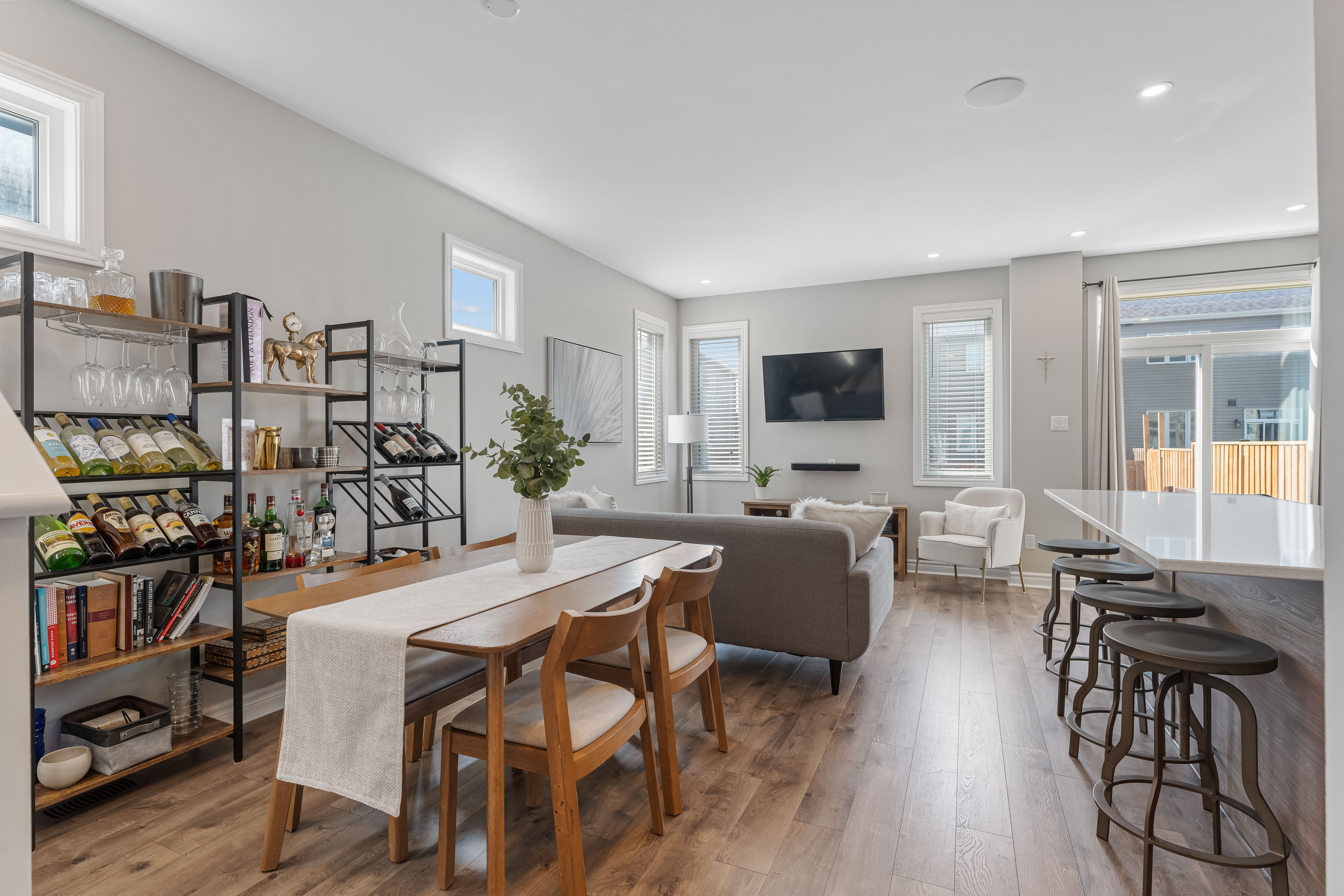
Staging does not need to erase every sign that someone lives there. The aim is to reduce visual distractions, make each room easy to understand and let the strongest details come forward.
You do not need to make the property look empty. It should still feel comfortable and lived in, with enough breathing room for buyers to see what is there.
Room-by-room checklist
Open the rooms that apply to your property.
Entrance
Make sure the door, handle, lock and doorbell work properly
Clean the door, glass, threshold and surrounding trim
Remove excess shoes, coats and bags
Use a clean mat that fits the space
Keep the first sightline into the property clear
Check that the entry light is bright and working
Living and family rooms
Arrange furniture to make movement and conversation areas clear
Remove pieces that make the room feel smaller
Edit coffee tables, consoles, shelves and media units
Hide loose cords and excess electronics
Clean fireplaces and surrounding surfaces
Clean windows, mirrors and light fixtures
Adjust window coverings to show the light while preserving privacy where needed
Give architectural features and views room to stand out
Kitchen
Clear most items from counters
Leave only a few useful or attractive pieces
Clean appliances inside and out where buyers are likely to look
Degrease the range hood, backsplash and cabinet fronts
Organize pantry and cupboard areas that may be opened
Remove magnets, papers and personal information from the refrigerator
Repair dripping faucets, loose handles and damaged caulking
Clean the sink and make sure drains run properly
Empty garbage and recycling before photography and showings
Put away dish racks, cleaning products, pet bowls and excess small appliances
Dining area
Make the purpose of the space immediately clear
Use a table and number of chairs that fit comfortably
Remove extra furniture if it restricts movement
Keep the tabletop simple
Check that the light fixture is clean, centred and working
Bedrooms
Use clean, simple bedding
Clear nightstands and dressers of everyday clutter
Make sure buyers can move comfortably around the bed
Remove furniture that makes the room difficult to understand
Organize closets enough to show their size and function
Store medications, jewellery and personal documents securely
Make the intended purpose of smaller or flexible rooms clear
Bathrooms
Repair leaks, running toilets and loose fixtures
Clean grout, caulking, glass, mirrors and exhaust-fan covers
Clear counters, shower ledges and the top of the toilet
Put away medications, toothbrushes and personal products
Use fresh towels and a clean bathmat
Replace heavily worn shower curtains or liners
Make sure the fan and all lights work
Close toilet lids before photography and showings
Home office or flex space
Make the room’s current purpose easy to understand
Remove paperwork and information that should remain private
Organize visible cables and office supplies
Avoid asking one small room to demonstrate too many uses at once
If the room could legally function as a bedroom, do not describe it that way unless the requirements have been confirmed
Basement
Address known moisture or water concerns with the appropriate professional
Remove cardboard and belongings stored directly on the floor where practical
Create clear access to the furnace, electrical panel, water shutoff and other systems
Replace burned-out bulbs and improve visibility in dark areas
Organize storage so buyers can understand the available space
Remove damaged or unused items
Make finished rooms easy to identify and move through
Do not cover stains, cracks or concerns simply to make them less visible
Laundry and utility areas
Clear the tops of machines and utility sinks
Store detergents and cleaning products neatly
Clean lint, dust and visible buildup
Confirm that included machines are working as expected
Keep access to panels, meters, shutoffs and equipment clear
Label useful information only where it is accurate and helpful
Garage
Create a safe walking path
Organize tools, seasonal items and storage bins
Store tools, chemicals and other hazardous materials safely and out of reach
Make space visible where possible
Confirm the garage door, opener, remotes and lights work
Store keys and remotes securely
Condominiums, rural properties and other details
Some properties need a more specific list.
Condominiums
Confirm move, elevator and showing procedures
Gather condominium documents already in your possession
Clarify parking and locker numbers and access
Remove items stored outside the permitted areas
Make sure keys, fobs and remotes are accounted for
Confirm any rented parking or storage arrangements
Rural properties
Gather well, septic, water-testing and WETT information
Make the locations of the well, septic system and related access points clear
Ensure service areas and outbuildings can be reached safely
Organize information about propane, oil, generators or other systems
Confirm road access, maintenance and shared arrangements where applicable
Remove unsafe or unnecessary materials from barns, sheds and utility areas
Tenanted properties
Review lawful notice and access requirements before scheduling work or showings
Coordinate preparation in a way that respects the tenancy
Clarify which belongings belong to the tenant and what can be moved
Obtain legal advice before making commitments about vacant possession or changes to the tenancy
Chapter four
Prepare for launch
Photography and floor-plan day
Give the property a quiet moment to be seen.
Photography day is when the preparation comes together. The property should be clean, bright and ready before the scheduled arrival time so the professionals can focus on creating the materials.
Having the cleaning, furniture placement and final decisions completed beforehand allows the photography team to focus on showing the property at its best.
Chapter five
Keep it showing-ready
Showing-ready reset
Keep the routine manageable once the listing is live.
The property does not need to be restaged from the beginning before every appointment. A simple reset can keep it ready without making daily life impossible.
We’ll establish a showing schedule and notice requirements that make sense for you. If keeping the property ready becomes difficult, tell me. We can talk through what is getting in the way and adjust what can reasonably be changed.
Open houses and security
Put away anything you would not want a stranger to see or handle.
What to store securely before photography and showings
Prescription medication
Jewellery, cash and small valuables
Passports and identification
Financial statements and legal documents
Mail and documents showing account information
Spare keys and garage remotes
Firearms, weapons and controlled items, secured in accordance with all legal storage requirements
Electronics or collectibles that are easy to carry
Family calendars, school information and travel plans
Personal photographs or information you prefer not to share publicly
I’ll explain the showing, lockbox and open-house procedures, but no access system removes every risk. Taking a few precautions helps protect your privacy and belongings while the property is being marketed.
Who takes care of what?
You will not be left with a list and expected to sort it out alone.
How I’ll help
Walking through the property and identifying priorities
Explaining what buyers in the local market may notice or question
Helping decide what is worth doing and what can remain as it is
Building a preparation timeline around the intended launch
Connecting you with painters, cleaners, stagers, inspectors or other professionals where needed
Coordinating photography, floor plans and listing materials
Reviewing the property before photography and launch
Establishing a manageable showing routine
What I’ll need from you
The budget and work you authorize
Providing complete and accurate property information
Completing agreed preparation or arranging access for the professionals doing it
Securing valuables, medication and private information
Keeping the property reasonably ready for scheduled appointments
Letting me know if a repair, delay or new concern changes the plan
Where another professional may help
Their own inspections, advice, estimates and contracted work
Any licensed, regulated or specialized work within their area
Confirming the cost, scope, timing and warranty for the services you retain them to provide
Related Kindred Home resources
Thinking about the whole sale?
A complete overview of the selling process, from the first conversation through closing.
Seller GuideWondering what you will take with you?
An overview of the costs that may affect your net proceeds and the amounts worth confirming early.
Closing Cost GuidePreparing to sell
Let’s decide what is worth doing.
If you are wondering where to begin, I’d be happy to walk through the property with you. We can look at what deserves attention, what can stay exactly as it is and how to make the preparation feel manageable.
Important information
This checklist provides general preparation guidance for residential properties in Ottawa and the surrounding area. Not every item will apply to every property.
It is not legal, inspection, engineering, environmental, insurance or construction advice. Repairs and specialized concerns should be assessed and completed by the appropriately qualified professional. Known defects and questions about disclosure obligations should be discussed with your real estate lawyer.